Designed to FEMA standards, residential safe rooms provide near-absolute protection for your family during tornadoes and severe storms.
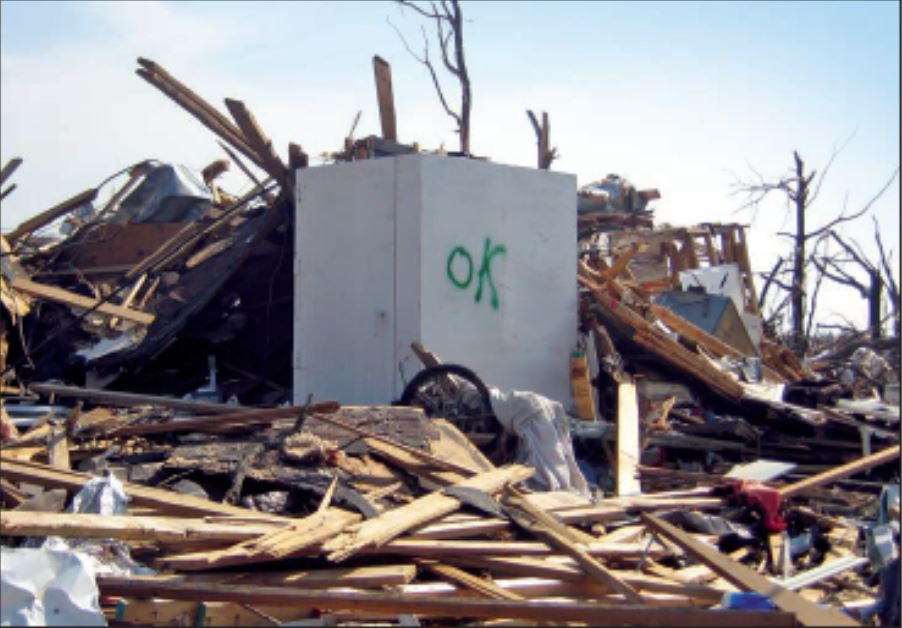
A storm shelter (or safe room) is a hardened structure specifically designed to protect occupants during extreme weather events such as tornadoes and hurricanes. When properly built, these shelters are designed to provide what Federal Emergency Management Agency (FEMA) calls “near-absolute protection.”
This means that, based on current knowledge of extreme wind events, individuals inside a properly constructed safe room have a very high likelihood of avoiding injury or death—even in the most severe storms.
To meet this standard, shelters must be designed and constructed in accordance with guidance outlined in FEMA P-320, Taking Shelter from the Storm: Building a Safe Room for Your Home or Small Business.
Residential safe rooms can be built in a variety of locations, depending on your home and budget. Common options include:
Each option has advantages, but all must meet FEMA design and construction standards to provide effective protection.
If you are considering adding a safe room to your home, proper design and installation are critical. Key considerations include:
Homeowners are strongly encouraged to work with qualified contractors who are familiar with FEMA guidance and safe room construction.
Across the country, properly constructed safe rooms have saved lives during severe weather events. Case studies consistently show that individuals inside FEMA-compliant shelters survive even the most violent tornadoes.
These real-world examples highlight the importance of:
One of the most critical components of any safe room is the door. Even a well-built shelter can fail if the door does not meet required standards.
For more information, review the Residential Tornado Safe Room Doors Fact Sheet, which provides guidance on selecting and maintaining compliant doors.
You can also explore additional guidance and resources through FEMA publications to ensure your shelter meets all recommended safety standards. Visit fema.gov/safe-rooms.
Installing a residential storm shelter is one of the most effective steps you can take to protect yourself and your family. Planning ahead ensures that when severe weather threatens, you have a safe, reliable place to go.
Registering your storm shelter helps emergency responders locate and assist you more quickly after severe weather. By providing basic information about your shelter’s location and access, you can improve response efforts during emergencies when time matters most. Registration is voluntary and is used only to support life safety operations following a disaster.
Take a few minutes to register your shelter today—it’s a simple step that can make a critical difference when severe weather strikes. Click here to register.